

Thai Roast Duck Salad
19 February 2026
Dental Emergencies That Could Have Been Prevented
19 February 2026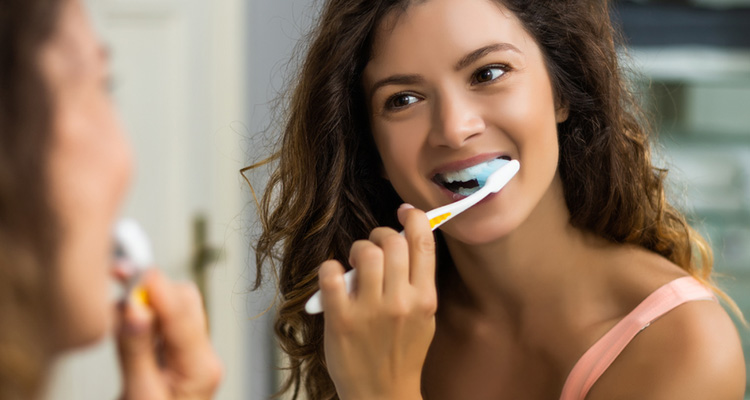
Why can brushing your teeth the wrong way cause harm?
Brushing your teeth is one of the most important daily habits for protecting your oral health, yet many people unknowingly brush in a way that causes harm. There is a common belief that brushing harder will remove more plaque and leave teeth cleaner. In reality, excessive pressure can do the opposite, leading to long-term damage to teeth and gums. Understanding why brushing harder is not better helps prevent unnecessary wear and supports healthier smiles over time.
Does plaque require force to remove?
Plaque is a soft, sticky film of bacteria that forms on teeth every day. It does not require force to remove. Effective plaque removal relies on consistent technique, coverage and timing rather than pressure. When brushing is done too aggressively, the bristles can scrub away at tooth surfaces instead of gently cleaning them. Over time, this repeated abrasion can wear down enamel, the protective outer layer of the tooth. Once enamel is lost, it does not regenerate, making teeth more vulnerable to sensitivity and decay.
How does brushing too hard affect the gums?
One of the most common consequences of brushing too hard is gum recession. The gums are made of delicate tissue designed to protect and seal around the teeth. Excessive brushing pressure can irritate this tissue and cause it to pull away from the tooth surface. As gums recede, the roots of the teeth become exposed. Tooth roots are not covered by enamel, so they are more sensitive and more prone to decay. Gum recession can also affect the appearance of the smile, making teeth appear longer or uneven.
Why is tooth sensitivity linked to aggressive brushing?
Tooth sensitivity is often one of the first signs that brushing technique may be too aggressive. When enamel wears down or gums recede, the underlying dentine becomes exposed. Dentine contains tiny channels that lead directly to the nerve of the tooth. Exposure of these channels can cause sharp discomfort when teeth come into contact with hot, cold or sweet foods and drinks. Many people attempt to brush harder in response to this discomfort, mistakenly believing it will improve cleanliness, which can worsen the problem.
What are abrasion lesions and why do they form?
Aggressive brushing can also contribute to notches forming near the gumline, known as abrasion lesions. These small grooves develop where the tooth meets the gum and can trap plaque more easily. Over time, these areas may deepen, weakening the tooth structure and increasing the risk of decay or fracture. In some cases, these lesions require restorative treatment to protect the tooth and reduce sensitivity.
How does toothbrush choice influence brushing damage?
The type of toothbrush used plays a significant role in brushing habits. Hard or medium-bristled toothbrushes can increase the risk of enamel wear and gum damage when combined with excessive pressure. Soft-bristled toothbrushes are designed to flex and clean effectively without causing trauma. They allow the bristles to reach around the gumline and into small crevices without scraping or cutting the tissues. Using a soft brush with gentle pressure is far more effective than scrubbing with a stiff brush.
Can electric toothbrushes help reduce excessive force?
Electric toothbrushes can also help reduce excessive force. Many modern designs include pressure sensors that alert users when they are brushing too hard. These features encourage gentler habits and support more consistent cleaning. However, even with an electric toothbrush, technique matters. Allowing the brush to do the work rather than forcing it against the teeth helps prevent damage.
Why does timing matter when brushing?
Timing is another factor often overlooked. Brushing immediately after consuming acidic foods or drinks can increase enamel wear. Acid softens enamel temporarily, making it more susceptible to abrasion. Brushing hard during this period accelerates enamel loss. Waiting at least thirty minutes after acidic intake allows saliva to neutralise acids and reharden the enamel, reducing the risk of damage.
What does proper brushing technique involve?
Proper brushing technique focuses on gentle, controlled movements rather than force. Small circular motions along the gumline, ensuring all surfaces of the teeth are reached, are effective for plaque removal. Spending enough time brushing, ideally two minutes, ensures thorough cleaning without the need for pressure. Brushing twice daily with the right technique provides far greater benefit than brushing harder or more frequently.
Why does brushing harder feel effective even when it isn’t?
Brushing harder is often driven by the desire to feel clean. The sensation of scrubbing may give the impression of effectiveness, but oral health depends on protecting tissues as much as cleaning them. Damage caused by aggressive brushing accumulates slowly, which is why many people do not realise the impact until sensitivity or visible changes occur.
How can teeth and gums be protected long term?
Protecting teeth and gums requires a balanced approach. Gentle brushing, appropriate tools and consistent habits work together to maintain oral health. If you are unsure whether your brushing technique may be too aggressive, visiting us for guidance allows personalised advice and demonstrations to support healthier habits. By brushing smarter rather than harder, you can keep your teeth clean while preserving the enamel and gum health that protect your smile long term.