

5 Common Tooth Brushing Mistakes
11 July 2026
Dental Health Week 2026: Back to the dentist!
11 July 2026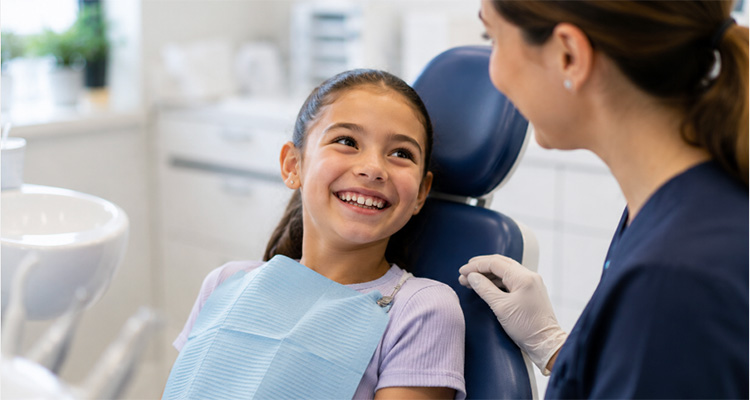
By the time July arrives, the year often feels like it is moving incredibly quickly. School terms are underway, work schedules are busy, routines become hectic, and many people suddenly realise half the year has already passed.
For many Australians, mid-year is also the point where health goals and routines either settle into place or begin slipping down the priority list. Dental care is often one of the first things people postpone, especially when there is no obvious pain or urgent problem demanding attention.
However, July can actually be one of the best times of year to prioritise oral health and book a dental check-up.
One of the biggest reasons is that many dental problems develop gradually and quietly. Tooth decay, gum disease, cracks, grinding damage, and enamel wear often begin subtly without causing major discomfort initially.
It is very common for patients to feel completely fine while small issues are developing beneath the surface. By the time symptoms such as pain or swelling appear, treatment may become more complicated than it would have been earlier.
A mid-year dental visit allows these concerns to be identified before they progress further.
Preventive dentistry is heavily focused on early intervention. Routine check-ups are not simply about cleaning teeth. Dentists also assess gum health, fillings, bite function, wear patterns, soft tissues, jaw joints, and signs of underlying problems that may not yet be visible or painful.
For many patients, July also provides a useful opportunity to reassess health fund benefits and overall health routines before the second half of the year becomes even busier.
Many people intend to organise appointments later in the year, only to find schedules become crowded approaching Christmas and school holidays. Booking earlier often means more flexibility and less stress.
Winter itself can also bring several oral health challenges that are worth monitoring. Tooth sensitivity often becomes more noticeable during colder weather, particularly for patients with enamel wear, grinding habits, gum recession, or small cracks.
Many people also experience increased jaw tension and teeth grinding during busy or stressful periods of the year. Grinding often happens unconsciously during sleep and may gradually contribute to headaches, worn teeth, cracked teeth, or jaw discomfort over time.
A dental examination can help identify these early signs before more significant damage develops.
Another reason July is a good time for a dental check-up is because oral health habits often shift during winter months. Comfort foods, hot drinks, frequent snacking, dehydration, and changes in routine can all affect teeth and gums more than people realise.
Plaque buildup, gum inflammation, dry mouth, and sensitivity may become more common during colder months if oral hygiene routines become inconsistent.
For children and teenagers, mid-year check-ups can also be valuable for monitoring growth and development. Dentists assess how teeth and jaws are developing, identify crowding or bite concerns, and monitor oral hygiene habits as children grow.
School holidays during July can also make appointments easier to organise for families.
Importantly, dental visits are not always about finding major problems. Many appointments simply involve routine maintenance, reassurance, preventive care, and identifying small improvements that help protect oral health long-term.
One of the most common things patients say after attending a check-up is that they are relieved they came in earlier rather than waiting longer.
Small concerns are usually far easier and more comfortable to manage when identified early. Preventive care also helps reduce the likelihood of unexpected dental emergencies later in the year.
Another benefit of a mid-year dental check-up is simply creating consistency. Oral health is not usually determined by occasional major treatments. Instead, healthy teeth and gums are often the result of smaller habits and regular monitoring over time.
Maintaining regular dental visits allows changes to be tracked gradually and helps support healthier outcomes long-term.
Many people are also becoming increasingly aware of the connection between oral health and overall wellbeing. Gum health, inflammation, sleep quality, jaw tension, and oral infections may all affect general health more broadly than people realise.
Looking after oral health is an important part of looking after overall wellbeing.
If it has been a while since your last dental appointment, July can be an ideal time to get things back on track before the second half of the year becomes even busier. Preventive care now may help avoid more complicated problems later.
Whether you are due for a routine check-up, experiencing sensitivity, or simply wanting to stay proactive with your oral health, come visit us. Our team is here to help keep your teeth and gums healthy, comfortable, and strong throughout every stage of the year.